
+(01) 1987 123456
12th street, LA

Reach out to our ENT specialists for expert care in hearing, breathing, and voice-related concerns.
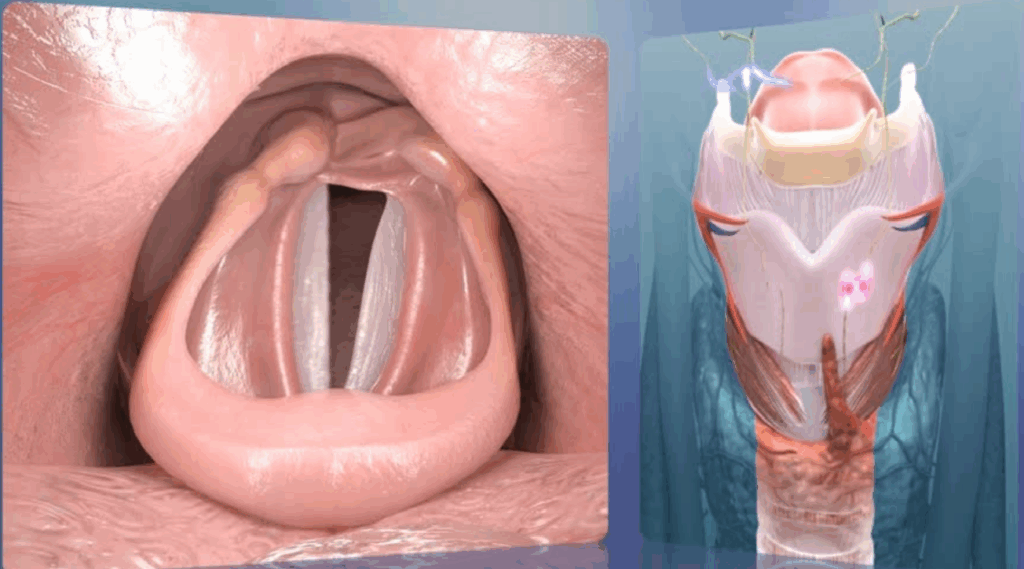
Vocal cord surgery is a specialized procedure designed to treat structural problems, growths, or abnormalities affecting the vocal cords. Since the vocal cords are essential for speech, breathing, and swallowing, any condition that alters their function can significantly impact daily life. Surgical treatment helps restore the natural vibration of the vocal folds, improving voice clarity, strength, and overall vocal performance.
Surgery may be recommended for patients with:
Vocal Cord Nodules: Callus-like growths from voice overuse.
Vocal Cord Polyps: Soft, fluid-filled lesions causing hoarseness.
Vocal Cord Cysts: Fluid-filled sacs that interfere with vocal fold vibration.
Reinke’s Edema: Swelling often linked to smoking or chronic irritation.
Papillomas or Tumors: Benign or malignant growths requiring removal.
Vocal Cord Paralysis: Requiring surgical repositioning or medialization.
Different surgical options are available depending on the condition:
Microlaryngoscopic Surgery: Uses a microscope for precise removal of lesions.
Laser Surgery: Vaporizes lesions with minimal tissue damage.
Phonomicrosurgery: Focused on preserving delicate vocal cord tissue to maintain natural voice.
Medialization Procedures: Corrects vocal cord paralysis for improved closure.
This procedure is suitable for:
Patients with persistent hoarseness lasting more than 2–3 weeks.
Professional voice users (singers, teachers, actors) requiring clear, strong voice.
Individuals with breathing or swallowing issues linked to vocal cord problems.
Patients with suspected or confirmed vocal cord tumors.
Restores Natural Voice: Improves clarity, pitch, and strength.
Preserves Healthy Tissue: Advanced microsurgical techniques protect vocal fold function.
Quick Recovery: Most procedures are minimally invasive and outpatient-based.
Versatile Applications: Treats a wide range of benign and malignant conditions.
Improves Quality of Life: Reduces strain, improves communication, and restores confidence.
Vocal cord surgery is usually performed under general anesthesia. A laryngoscope is inserted through the mouth to access the vocal folds without external incisions. Using microscopic or laser precision, lesions are removed or the cords repositioned as needed. The procedure takes about 30–90 minutes, and most patients go home the same day. Recovery involves strict voice rest for a few days, hydration, and follow-up with a speech therapist. Most individuals notice significant voice improvement within weeks.
Vocal cord surgery offers safe and effective solutions for a variety of voice disorders. With modern microsurgical and laser techniques, ENT specialists can restore vocal function while preserving delicate structures. For anyone struggling with hoarseness, weak voice, or professional voice challenges, vocal cord surgery provides long-lasting relief, improved vocal quality, and renewed confidence.