Reconstructive & Ear Reconstructive Surgery
Reconstructive and ear reconstructive surgery involves advanced surgical techniques to correct deformities, restore normal ear function, and improve cosmetic appearance. The ear, being an important organ for both hearing and aesthetics, can be affected by congenital conditions, trauma, infections, or previous surgeries. These procedures not only restore hearing but also enhance appearance, confidence, and overall quality of life.
Conditions Requiring Ear Reconstruction
Ear reconstructive surgery is performed for a wide range of conditions, such as:
Congenital deformities like microtia (underdeveloped ear) and anotia (absence of ear).
Trauma-related injuries from accidents or burns that damage ear structure.
Post-surgical reconstruction after tumor removal or chronic ear disease.
Prominent or protruding ears requiring cosmetic reshaping (otoplasty).
Partial ear loss due to injury, disease, or birth defects.
How Ear Reconstruction Works
Depending on the condition and severity, ear reconstruction may involve different surgical techniques, such as:
Autologous Reconstruction: Using the patient’s rib cartilage to create a natural ear framework.
Alloplastic Reconstruction: Using synthetic implants like Medpor to reconstruct ear shape.
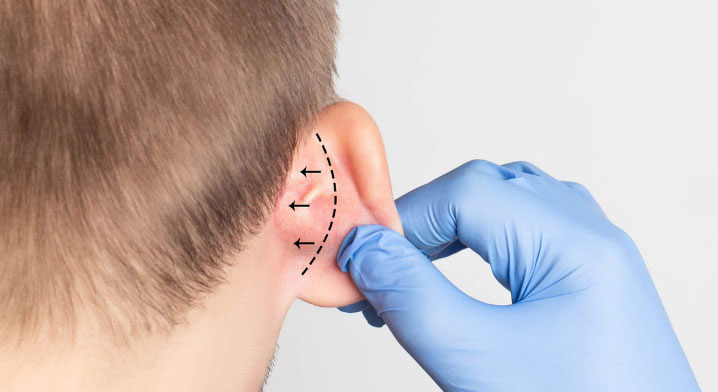
Otoplasty: Reshaping and repositioning prominent ears closer to the head.
Skin Grafting and Flap Techniques: To cover defects after trauma or tumor removal.
Combined Functional & Cosmetic Surgery: Correcting structural issues while improving hearing.
Who Can Benefit from Ear Reconstructive Surgery?
This surgery is suitable for:
Children born with ear deformities such as microtia or anotia.
Individuals with ear injuries caused by trauma, burns, or accidents.
Patients requiring reconstruction after ear tumor removal or chronic infections.
Adults seeking correction of protruding or misshapen ears for cosmetic reasons.
Anyone experiencing functional hearing issues linked to ear deformities.
Advantages of Ear Reconstructive Surgery
Restores Appearance: Creates a natural-looking ear structure.
Improves Hearing Function: In cases where deformities affect sound conduction.
Boosts Confidence: Enhances self-esteem and social interactions.
Durable Results: Provides long-lasting structural and cosmetic outcomes.
Tailored Solutions: Techniques adapted to individual needs, age, and condition severity.
The Procedure and Recovery
Ear reconstructive surgery is usually performed under general anesthesia, especially in children. Depending on the complexity, multiple stages may be required to achieve the desired outcome. Recovery involves careful wound care, protection of the reconstructed ear, and follow-up visits to monitor healing. Patients may experience some swelling or discomfort initially, but with proper care, results are long-lasting and highly satisfying.
Why Choose This Treatment?
Reconstructive and ear reconstructive surgery offers a life-changing solution for individuals with congenital or acquired ear deformities. By combining functional restoration with cosmetic enhancement, these procedures allow patients to regain confidence, improve hearing, and enjoy a better quality of life. With modern surgical techniques and expert care, patients can achieve natural-looking, durable, and effective results tailored to their specific needs.