+(01) 1987 123456
12th street, LA
Reach out to our ENT specialists for expert care in hearing, breathing, and voice-related concerns.
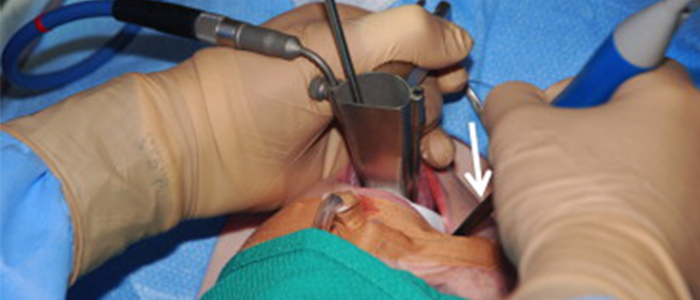
Laryngotracheal anomalies are congenital or acquired structural abnormalities of the larynx (voice box) and trachea (windpipe). These conditions affect breathing, voice, and swallowing, and can range from mild airway narrowing to life-threatening obstructions. Early diagnosis and timely treatment are essential to restore airway function, ensure safe breathing, and support normal speech and development.
Common anomalies include:
Laryngomalacia: Softening of laryngeal tissues causing noisy breathing in infants.
Subglottic Stenosis: Narrowing of the airway below the vocal cords.
Laryngeal Webs and Atresia: Membrane or blockage across the larynx.
Tracheomalacia: Weakness of the tracheal walls leading to collapse during breathing.
Vocal Cord Paralysis: Impaired movement of one or both vocal cords.
Congenital Cysts or Masses: Obstructing normal airway passage.
Congenital Anomalies: Present at birth due to incomplete development.
Acquired Causes: Prolonged intubation, trauma, infections, or surgery.
Genetic Syndromes: Some anomalies are linked with broader syndromic conditions.
The symptoms depend on the severity of the anomaly and may include:
Stridor (high-pitched noisy breathing).
Difficulty breathing or swallowing.
Weak or abnormal cry in infants.
Hoarseness or voice changes.
Recurrent respiratory infections.
Cyanosis (bluish skin color) in severe cases.
ENT specialists use several diagnostic tools:
Flexible or Rigid Laryngoscopy: To visualize the larynx and trachea.
Bronchoscopy: Detailed evaluation of airway narrowing or collapse.
Imaging Tests (CT/MRI scans): To detect structural abnormalities.
Airway Function Tests: Assessing the degree of obstruction.
Treatment depends on the type and severity of the anomaly:
Observation & Monitoring: For mild cases like laryngomalacia, which often improve with age.
Medications: To manage associated reflux, infections, or inflammation.
Endoscopic Surgery: Minimally invasive techniques to remove webs, cysts, or scar tissue.
Tracheal or Laryngeal Reconstruction (LTR): Expanding or rebuilding the airway in severe stenosis.
Tracheostomy: Creating a direct airway opening in emergencies or severe obstructions.
Speech & Voice Therapy: For functional recovery after surgery.
Infants with noisy breathing, feeding difficulties, or poor weight gain.
Children and adults with recurrent airway obstruction or voice problems.
Patients with history of trauma, prolonged intubation, or airway scarring.
Individuals at risk of life-threatening airway compromise.
Restores Airway Function: Ensures safe and effective breathing.
Improves Voice & Swallowing: Enhances communication and feeding.
Prevents Complications: Reduces risk of repeated infections and respiratory distress.
Supports Child Development: Promotes normal growth, speech, and quality of life.
Advanced Surgical Options: Endoscopic and reconstructive procedures offer lasting results.
Laryngotracheal anomalies require specialized care due to their impact on vital functions like breathing and speaking. With modern diagnostic tools and advanced surgical expertise, these conditions can be effectively managed, ensuring safety, comfort, and improved long-term outcomes. Early intervention not only saves lives but also helps patients enjoy better development, confidence, and quality of life.
At Cochlear ENT Clinic, JP Nagar, we specialize in diagnosing and treating laryngotracheal anomalies with advanced technology and expert care. Our ENT specialists provide personalized treatment for airway disorders, ensuring better breathing and voice outcomes for patients of all ages in a safe, compassionate environment.
Contact us today for expert diagnosis and treatment of Laryngotracheal Anomalies — our ENT specialists are here to help you breathe and speak with ease.