+(01) 1987 123456
12th street, LA
Reach out to our ENT specialists for expert care in hearing, breathing, and voice-related concerns.
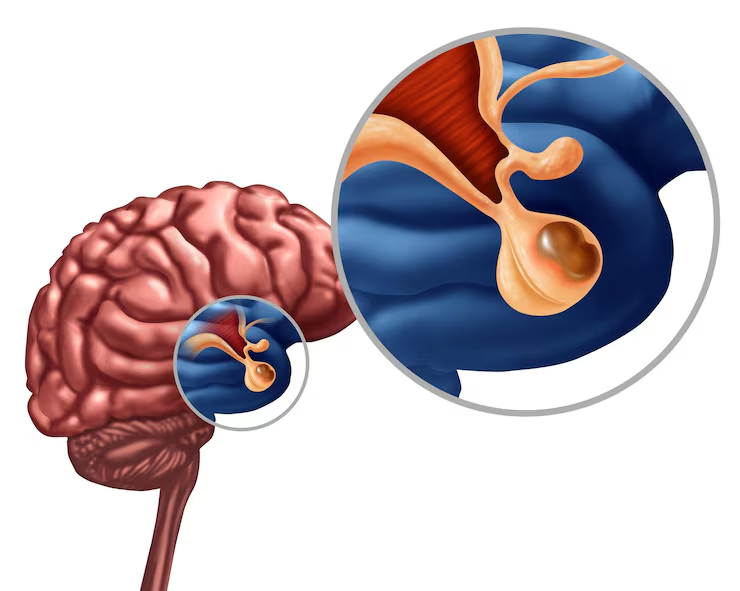
Pituitary surgery is a specialized neurosurgical procedure performed to remove tumors or abnormal growths affecting the pituitary gland, a small but vital gland located at the base of the brain. The pituitary gland regulates hormones controlling growth, reproduction, thyroid function, and adrenal activity. Tumors in this area can lead to hormonal imbalances, vision problems, and other neurological symptoms. Pituitary surgery helps restore normal function, relieve pressure on surrounding structures, and improve overall health.
Pituitary surgery may be recommended for:
Pituitary Adenomas: Benign tumors that cause hormonal imbalance or compress nearby structures.
Hormone-Secreting Tumors: Such as prolactinomas, growth hormone–secreting tumors, or ACTH-secreting tumors causing Cushing’s disease.
Non-Functioning Tumors: Growths that cause pressure symptoms but do not secrete hormones.
Cystic Lesions or Craniopharyngiomas.
Vision Problems: Tumors pressing on the optic nerves.
Patients may experience:
Persistent headaches.
Blurred or double vision.
Unexplained weight gain or loss.
Menstrual irregularities or infertility.
Unusual growth of hands, feet, or facial features (acromegaly).
Fatigue, mood changes, or hormonal imbalance symptoms.
Most pituitary surgeries are performed using a transsphenoidal approach, where the surgeon reaches the gland through the nose and sphenoid sinus with the help of an endoscope or microscope. This minimally invasive method avoids external incisions and reduces recovery time. In rare or complex cases, a transcranial approach (through the skull) may be necessary. During surgery, the tumor is carefully removed while preserving normal pituitary tissue and protecting nearby nerves and blood vessels.
This surgery is suitable for:
Patients with pituitary tumors causing vision loss, headaches, or pressure symptoms.
Individuals with hormone-secreting tumors unresponsive to medications.
Those with tumors that continue to grow despite medical treatment.
Patients requiring urgent relief of compression on the optic nerves.
Restores Hormonal Balance: Reduces abnormal hormone secretion.
Relieves Pressure: Improves vision and alleviates headaches.
Minimally Invasive Techniques: Endoscopic surgery reduces scarring and recovery time.
High Success Rate: Effective in controlling tumor growth and symptoms.
Improved Quality of Life: Restores normal physical and emotional health.
Pituitary surgery is performed under general anesthesia and usually takes 2–3 hours. Most patients stay in the hospital for a few days for monitoring. Recovery includes rest, nasal care, and follow-up hormone testing to assess pituitary function. Some patients may need temporary or long-term hormone replacement therapy after surgery. Most individuals resume normal activities within a few weeks.
Pituitary surgery is a safe and effective treatment for tumors and hormone-related conditions of the pituitary gland. With advanced endoscopic techniques and multidisciplinary care involving neurosurgeons, ENT specialists, and endocrinologists, patients benefit from precise tumor removal, restored hormonal balance, and improved quality of life.
For best pituitary surgery in Bangalore, consider the ENT-skull-base expertise at The Cochlear ENT Clinic, offering advanced endoscopic pituitary adenoma removal alongside cochlear-implant and bone conduction treatments.
Contact us today to consult our expert ENT surgeons for advanced Pituitary Surgery in Bangalore — your first step toward safe and successful treatment.