+(01) 1987 123456
12th street, LA
Reach out to our ENT specialists for expert care in hearing, breathing, and voice-related concerns.
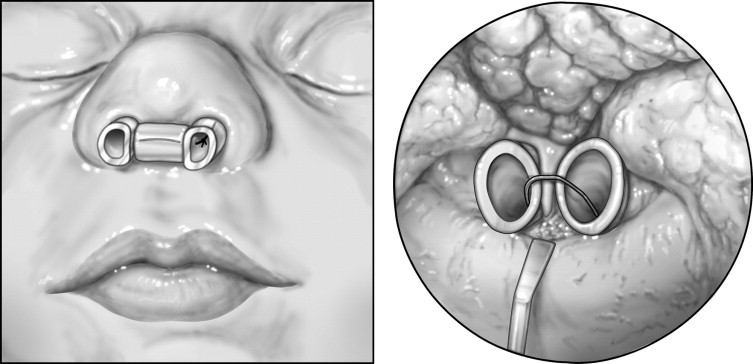
Choanal atresia surgery is a corrective procedure performed to treat choanal atresia, a congenital condition in which the back of the nasal passage (choana) is blocked by bone or tissue. This blockage prevents normal airflow through the nose and can affect one (unilateral) or both (bilateral) nasal passages. Since newborns are obligate nose breathers, bilateral choanal atresia is a medical emergency, while unilateral cases often present later in childhood. Surgery restores the nasal airway, allowing children to breathe normally and thrive.
Surgery may be recommended for children who have:
Bilateral Choanal Atresia: Present at birth with difficulty breathing and feeding.
Unilateral Choanal Atresia: Chronic nasal blockage or persistent nasal discharge on one side.
Feeding Difficulties: In infants who struggle to suck or breathe simultaneously.
Recurrent Infections: Caused by poor nasal drainage.
Newborns turning blue (cyanosis) when feeding, relieved by crying.
Nasal blockage and noisy breathing.
Difficulty breastfeeding or bottle-feeding.
Unilateral nasal discharge or congestion persisting beyond infancy.
Mouth breathing in older children.
Surgery is usually performed using an endoscopic transnasal approach, which avoids external cuts:
The blocked nasal passage is opened using specialized instruments.
Excess bone or tissue causing the blockage is removed.
Stents may be placed temporarily to keep the airway open during healing.
The procedure is safe, precise, and minimally invasive, with excellent long-term results.
Newborns with bilateral choanal atresia requiring immediate airway correction.
Infants or children with unilateral blockage causing persistent nasal symptoms.
Children with recurrent infections or feeding and breathing difficulties.
Patients with syndromes such as CHARGE, where choanal atresia may be associated with other anomalies.
Restores Nasal Breathing: Critical for newborns and infants.
Improves Feeding & Growth: Allows safe breastfeeding and bottle-feeding.
Reduces Infections: Improves nasal drainage and reduces risk of sinusitis.
Minimally Invasive: Endoscopic approach ensures no external scars.
Long-Term Relief: Provides a permanent solution when combined with follow-up care.
Choanal atresia surgery is performed under general anesthesia. Most infants with bilateral atresia undergo surgery within days of birth, while unilateral cases may be corrected later. Recovery involves hospitalization for monitoring, use of stents (if required), and follow-up nasal endoscopy to ensure proper healing. Parents are guided on home care, including nasal saline rinses and regular check-ups.
Choanal atresia surgery is a life-saving and life-improving procedure for children born with this congenital nasal blockage. With advanced endoscopic techniques and skilled pediatric ENT care, it ensures safe, effective, and lasting results. Early surgical intervention helps newborns breathe, feed, and grow normally, giving them the best start to a healthy life.
The Cochlear ENT Clinic provides expert care for pediatric ENT conditions, including choanal atresia. Our specialized team ensures accurate diagnosis and advanced surgical management for newborns and children. With modern technology and compassionate care, we focus on restoring normal breathing and improving quality of life for every child.
Contact our Pediatric ENT specialists today for expert diagnosis and treatment of Choanal Atresia — compassionate care for your child’s breathing and nasal health.