Eardrum Rupture Treatment
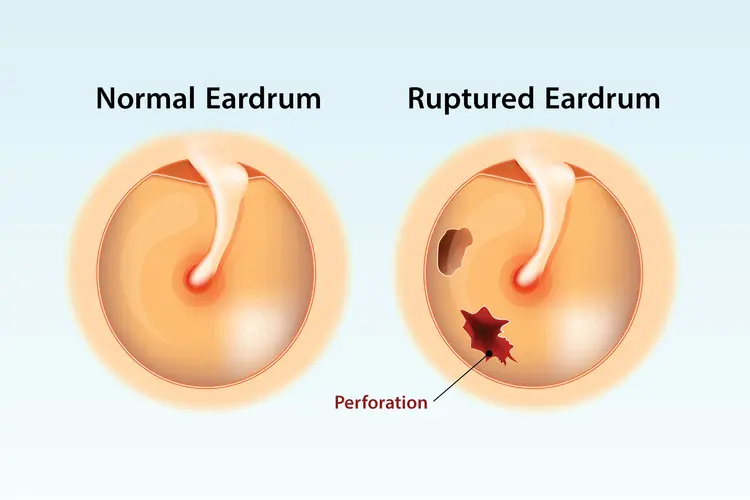
An eardrum rupture, also known as a tympanic membrane perforation, occurs when there is a tear or hole in the thin tissue separating the outer ear from the middle ear. This condition can cause pain, hearing loss, and repeated ear infections. While some ruptures heal naturally, many require medical attention to prevent complications and restore proper hearing. Eardrum rupture treatment focuses on relieving symptoms, promoting healing, and repairing the membrane when necessary.
Causes of Eardrum Rupture
Eardrum perforation may result from several factors, such as:
Chronic or severe middle ear infections.
Inserting objects into the ear canal (cotton swabs, hairpins, etc.).
Sudden loud noise or acoustic trauma.
Pressure changes from flying, diving, or air blasts (barotrauma).
Head injury or trauma to the ear.
Symptoms of a Ruptured Eardrum
Patients with eardrum rupture may experience:
Sudden ear pain or sharp discomfort.
Hearing loss or muffled hearing.
Fluid or pus discharge from the ear.
Ringing in the ear (tinnitus).
Dizziness, vertigo, or balance issues.
Treatment Options for Eardrum Rupture
The choice of treatment depends on the size and severity of the perforation, as well as symptoms:
Observation and Medication: Small tears may heal on their own; antibiotics can help if infections are present.
Eardrum Patching: ENT specialists may apply a chemical patch to stimulate healing of the membrane.
Myringoplasty: A minor surgical procedure where tissue grafts are used to close the hole.
Tympanoplasty: For larger or chronic ruptures, a more extensive surgery reconstructs the eardrum and may also repair middle ear bones if damaged.
Who Can Benefit from Treatment?
Eardrum rupture treatment is recommended for individuals who:
Have persistent hearing loss due to the perforation.
Suffer from repeated ear infections caused by the open membrane.
Experience discomfort, discharge, or pain in the ear.
Need protection from water entry to avoid further damage.
Want long-term restoration of hearing and ear health.
Advantages of Eardrum Rupture Treatment
Improved Hearing: Restores sound conduction and clarity.
Prevents Infections: Closes the perforation to stop bacteria and water entry.
Relieves Symptoms: Eases pain, tinnitus, and dizziness.
Safe Water Exposure: Allows swimming and bathing without risk of complications.
Durable Results: Surgical repair offers long-term ear health and function.
The Procedure and Recovery
Eardrum repair procedures such as myringoplasty or tympanoplasty are performed under local or general anesthesia. Surgery typically takes a few hours, and most patients go home the same day. Healing may take several weeks, during which patients should avoid water entry, loud noise, and heavy activities. Follow-up visits help monitor graft success and hearing improvement.
Why Choose This Treatment?
Eardrum rupture treatment provides lasting relief and restores normal ear function for those affected by perforations. With modern medical care, advanced surgical techniques, and expert ENT specialists, patients can achieve improved hearing, fewer infections, and better quality of life. Whether through medication, patching, or surgery, tailored treatment ensures safe and effective healing of the ear drum.