
+(01) 1987 123456
12th street, LA

Reach out to our ENT specialists for expert care in hearing, breathing, and voice-related concerns.
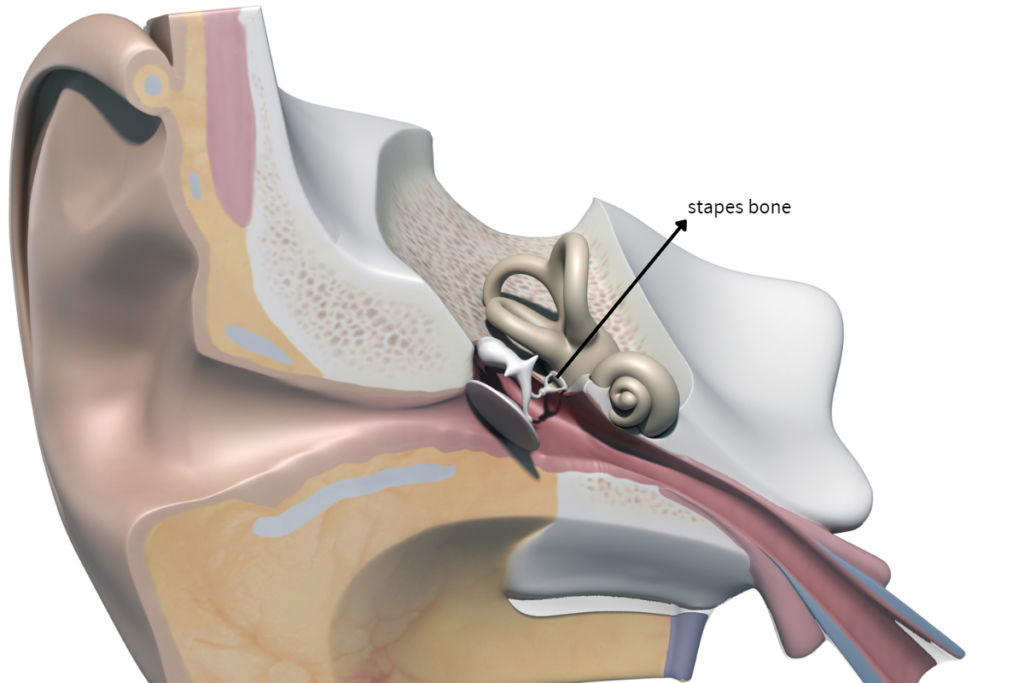
Stapes surgery, also known as stapedectomy or stapedotomy, is a delicate ear procedure performed to treat hearing loss caused by otosclerosis. Otosclerosis is a condition where abnormal bone growth around the stapes bone (one of the three tiny ossicles in the middle ear) prevents it from vibrating properly. This disrupts sound transmission to the inner ear and leads to conductive hearing loss. Stapes surgery restores hearing by replacing or modifying the immobile stapes bone with a prosthesis that allows sound to pass normally.
The primary cause treated with stapes surgery is otosclerosis. Contributing factors include:
Genetic predisposition, as otosclerosis often runs in families.
Hormonal changes, especially during pregnancy.
Previous ear infections or trauma that may worsen hearing loss.
Age-related progression of middle ear bone abnormalities.
The procedure is performed under a microscope to ensure high precision. There are two main techniques:
Stapedectomy: The entire stapes bone is removed and replaced with a prosthesis.
Stapedotomy: A small hole is made in the stapes footplate, and a prosthesis is inserted to transmit sound vibrations.
Both methods reconnect the sound pathway from the ear drum to the inner ear, significantly improving hearing ability.
This surgery is recommended for individuals who:
Have conductive hearing loss due to otosclerosis.
Do not achieve sufficient improvement with hearing aids.
Experience progressive worsening of hearing despite medical management.
Want a long-term surgical solution to improve hearing and daily communication.
Restored Hearing: Improves sound conduction and speech clarity.
Long-Term Relief: Provides a durable solution for otosclerosis-related hearing loss.
Minimally Invasive: Performed through the ear canal with minimal external incisions.
High Success Rate: Most patients notice significant hearing improvement after recovery.
Improved Quality of Life: Restores confidence, communication, and social interaction.
Stapes surgery is typically performed under local or general anesthesia and takes about 1–2 hours. The surgeon accesses the middle ear through the ear canal, replaces or modifies the stapes, and places the prosthesis. Most patients go home the same day. Recovery may take a few weeks, during which patients should avoid strenuous activities, loud noise exposure, or sudden pressure changes (flying, diving). Follow-up visits and hearing tests are scheduled to track progress.
Stapes surgery is one of the most effective treatments for otosclerosis, offering lasting hearing restoration and reducing dependence on external devices. With advanced microsurgical techniques and modern prosthetic implants, patients can achieve significant improvement in hearing, communication, and overall quality of life. For those struggling with conductive hearing loss due to stapes fixation, this surgery provides a reliable and transformative solution.